Raised Bed Septic System Installation in Burnt Hills
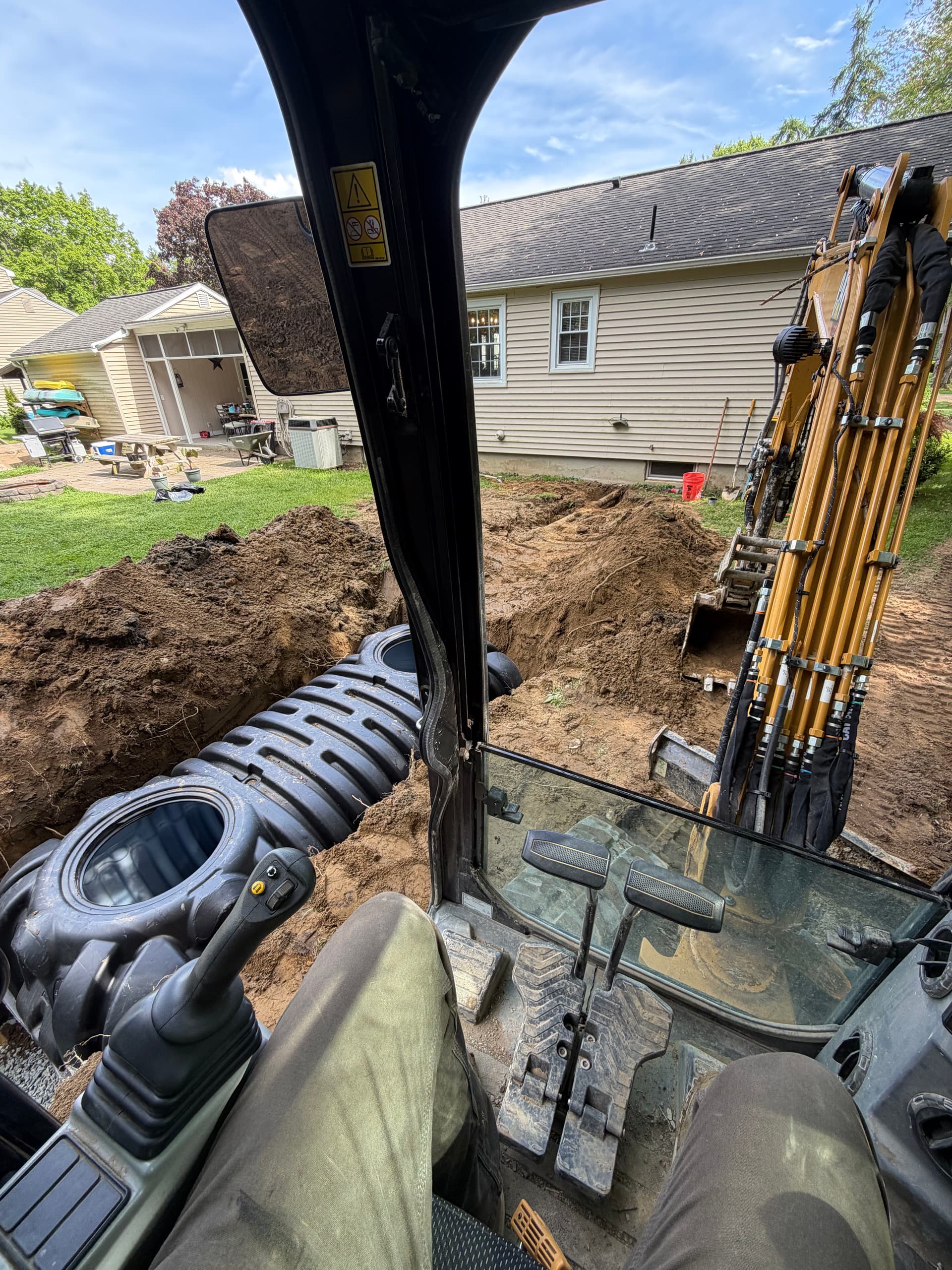
When a drain field reaches the end of its life, there's really no patching it. This Burnt Hills home had an old system that had simply run its course. The only right move was a full replacement - and that's exactly what we did. We came in, pulled everything out, and installed a brand new raised bed septic system built to code and built to last.
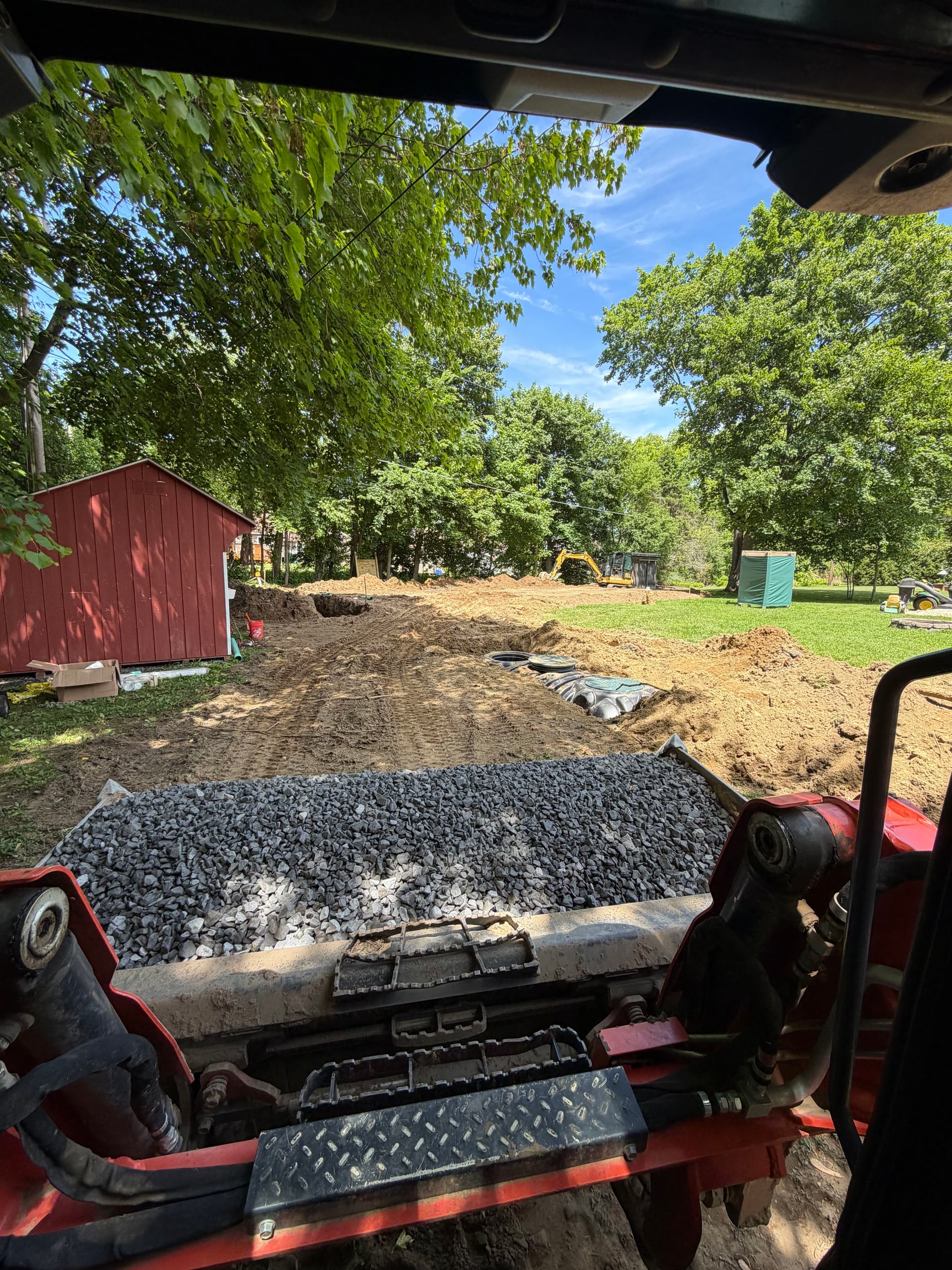
A job like this takes more than just digging a hole. Proper site prep is everything. We had to excavate the old drain field area, bring in the right fill material, and grade it all out so the new raised bed would perform the way it's supposed to. That kind of ground work is what separates a system that lasts decades from one that gives you problems in a few years.
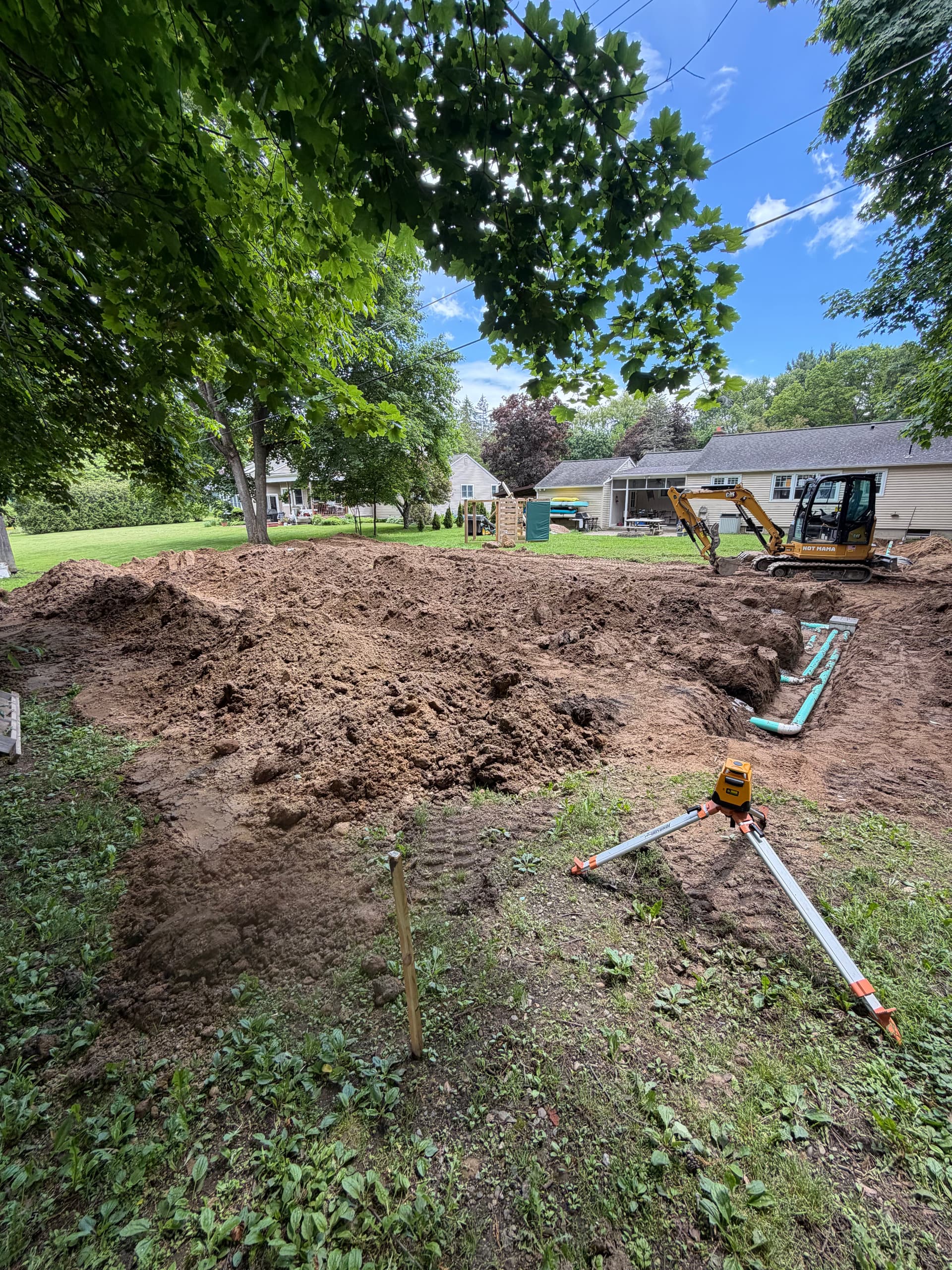
You can see the laser level set up on site - that's not just for show. Getting the grades right on a raised bed system is critical. The distribution lines have to be set at precise elevations so effluent flows evenly across the entire field. If those grades are off even slightly, you end up with one section of the field doing all the work while the rest sits idle. We don't cut corners on that.
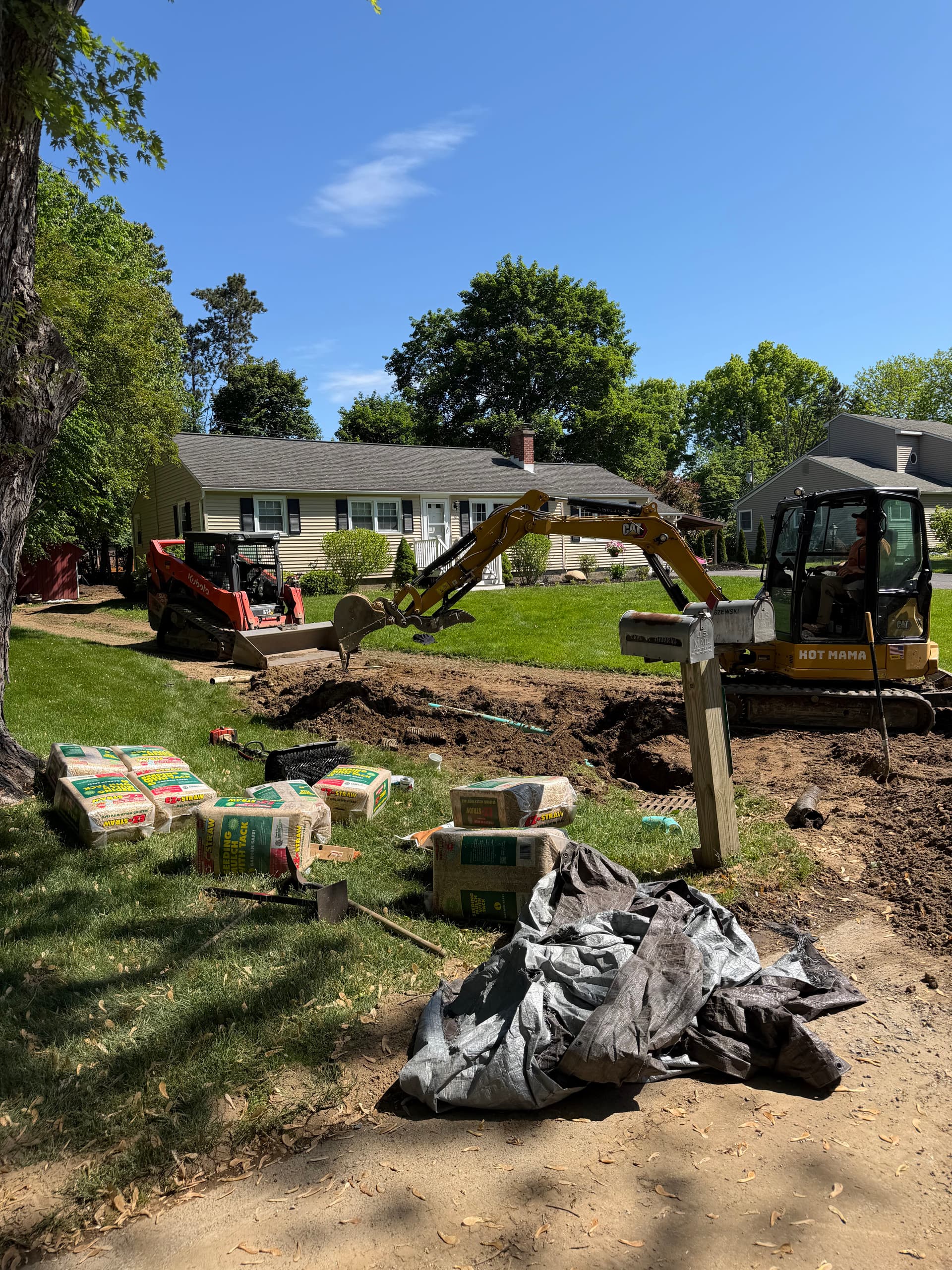
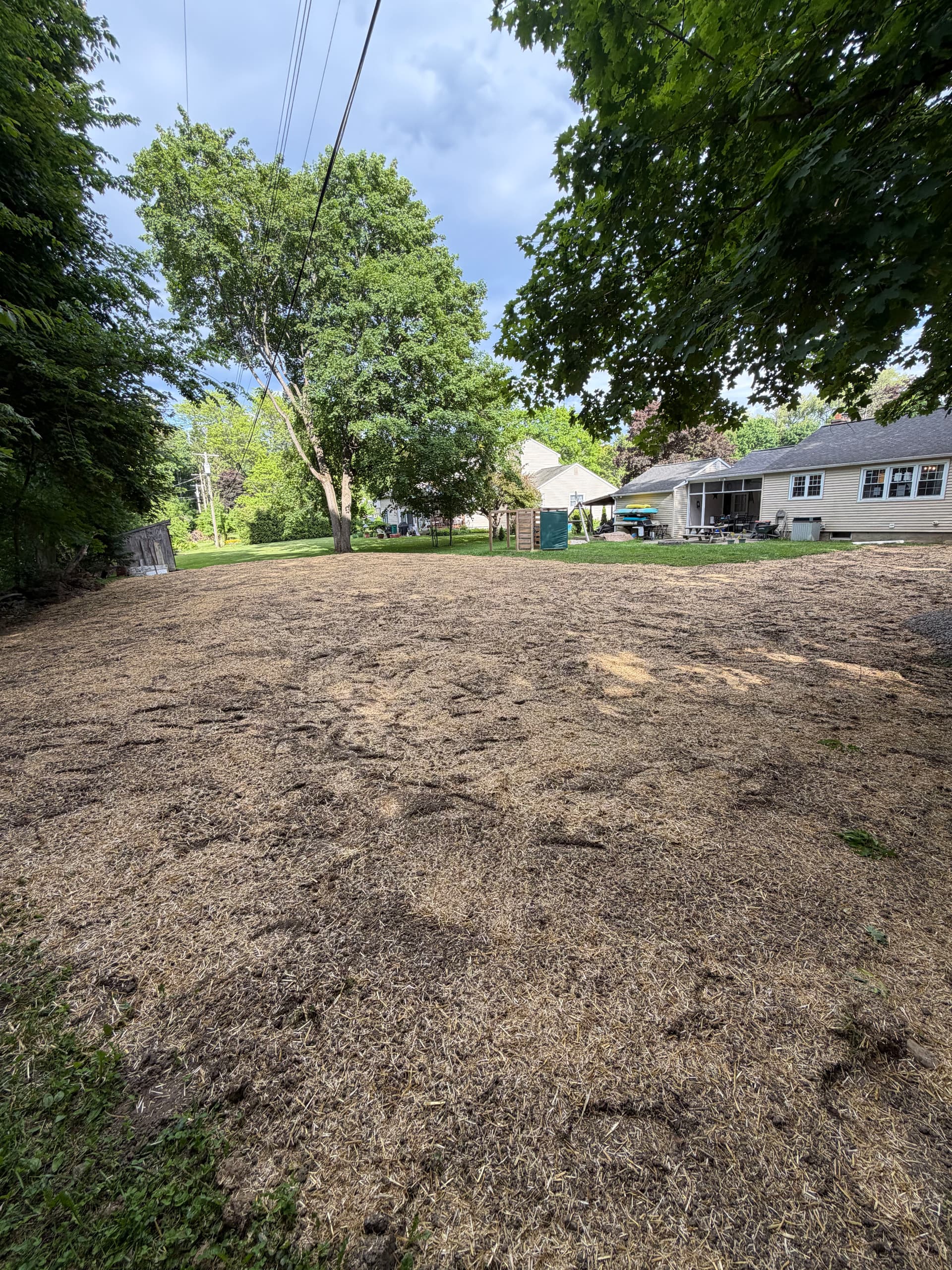
With multiple machines on site - mini excavator, skid steer, and a full crew - we were able to move through the excavation, tank setting, and drain field construction efficiently without dragging the job out longer than it needed to be. Once the system was in and inspected, we backfilled and seeded the area so the yard could start recovering. The finished site is clean, level, and ready to grow back in.
A lot of homeowners wait too long on a failing septic system because it feels like a big, disruptive job. And honestly, it is a decent undertaking. But catching it before it becomes an emergency saves you money and headaches. Dealing with a system that's already fully backed up is a much harder situation than a planned replacement like this one. If your system is getting up there in age or showing signs of trouble, it's worth getting a site evaluation sooner rather than later.